Coalition governments are rarely built quickly, and the one taking shape across several European capitals this year is no exception. What makes it notable isn't the speed — it's the combination of parties at the table, several of which haven't shared power in a generation.
The New Math
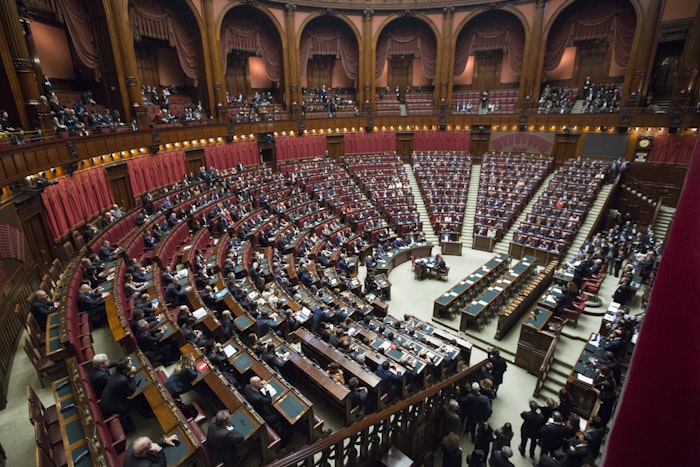
The arithmetic behind the current round of talks reflects a fragmented electorate rather than a decisive one. No single bloc commands a working majority on its own, which has forced parties that spent the last decade defining themselves in opposition to each other into the same negotiating room.
The coalition that finally holds together in 2026 may look less like a partnership of ideas and more like a partnership of arithmetic.
That's not necessarily a weakness. Some of the most durable governing coalitions in European history were built on narrow, transactional agreement rather than shared vision — and negotiators involved in the current talks describe a similar dynamic: less about converging on principle, more about identifying the handful of policy areas where compromise is actually possible.
Who's at the Table
Three blocs are doing most of the negotiating, each bringing a different coalition of regional and demographic support. The resulting government, if it holds, would represent one of the broader ideological spans of any coalition formed on the continent in the past two decades.
- A centrist bloc anchoring the negotiations, providing the largest single voting share but well short of a majority
- A regionally concentrated party whose support is essential to reaching a workable threshold
- A smaller reform-oriented party using its leverage to secure specific policy commitments rather than cabinet seats
What It Actually Changes
Beyond the immediate question of who governs, the shape of this coalition matters for how several pending EU-level negotiations proceed. A government built on this particular combination of parties is likely to take a more cautious position on fiscal integration than its predecessor, while remaining more aligned on climate policy than early coverage suggested.
Analysts tracking the talks note that the practical effect may be less dramatic than the political optics suggest — much of the day-to-day policy agenda was already converging before this round of negotiations began.
What to Watch Next
The coalition agreement still needs to survive its first real test: a budget vote expected within the next parliamentary session. Historically, this is where similarly narrow coalitions have either solidified or begun to unwind. Both outcomes remain plausible here.

Amara Osei
Amara covers global governance and macroeconomics, with a decade of reporting from three continents.